Buying property in Belgium: costs, steps, and pitfalls
Belgium is one of the few countries where the purchase price is only the starting point. A realistic budget must account for registration duties, notary fees, and sometimes renovation obligations — all of which vary by region. This guide walks through the main steps and the checks that can save you from expensive surprises.
Total cost beyond the purchase price
Registration duties are the biggest additional cost and they are regional. As a rough guide at the time of writing:
- ▪Flanders — a reduced rate applies if you buy your sole own home (woonbonus conditions; check current rates as they have changed in recent years). Otherwise the standard rate applies.
- ▪Brussels — an abattement (reduction on the first portion of the taxable value) is available for a primary residence below a threshold value. Verify current thresholds with a notary.
- ▪Wallonia — standard registration duties apply, with some reductions for modest homes. Rules and rates have been updated repeatedly; always check current legislation.
Notary fees are regulated by law and scale with the purchase price — typically around 1% on higher values, more on lower ones. Add mortgage setup costs (deed of mortgage, bank fees) if you are financing. A notary will give you a detailed breakdown before you commit.
The compromis: why it matters more than you think
In Belgium, a signed compromis de vente (or any written offer accepted by the seller) is a legally binding contract — even before the notarial deed. If you withdraw after signing, you typically lose your deposit (commonly 10% of the price) and may owe additional damages. The seller is equally bound.
The period between compromis and deed typically runs around four months, during which the notary handles title searches, mortgage registrations, and official certifications. Do not rush the compromis — take time to negotiate suspensive conditions (conditions suspensives) for things like mortgage approval.
What to check before you make an offer
- ▪EPC label — in Flanders, properties rated E or F come with a mandatory renovation obligation for the buyer (target: minimum D within five years of purchase, at time of writing — check current rules). An F-label home is not unsellable but it changes your renovation budget significantly.
- ▪Flood zone — Belgium uses a P-score (pluvial, rainfall flooding) and G-score (fluvial, river flooding) system. Properties in recognized flood zones can be harder to insure. Check via geopunt.be (Flanders) or the relevant Walloon/Brussels portals.
- ▪Building permits and violations — the notary will check, but asking the seller upfront for a permit history avoids surprises at deed day.
- ▪Cadastral income (kadastraal inkomen / revenu cadastral) — the notional annual rental income used for property tax calculations. It appears in listings and on the property's cadastral extract.
How long listings sit — and what that tells you
Properties that have been on the market for weeks and have already seen a price reduction often have more negotiation room than freshly listed ones. House Hunter tracks price moves and marks listings as stale after seven days without a refresh — giving you a signal that no single portal provides on its own.
Pro subscribers can browse full market history and see exactly when a price dropped and by how much. Learn how our data works.
Properties for sale right now
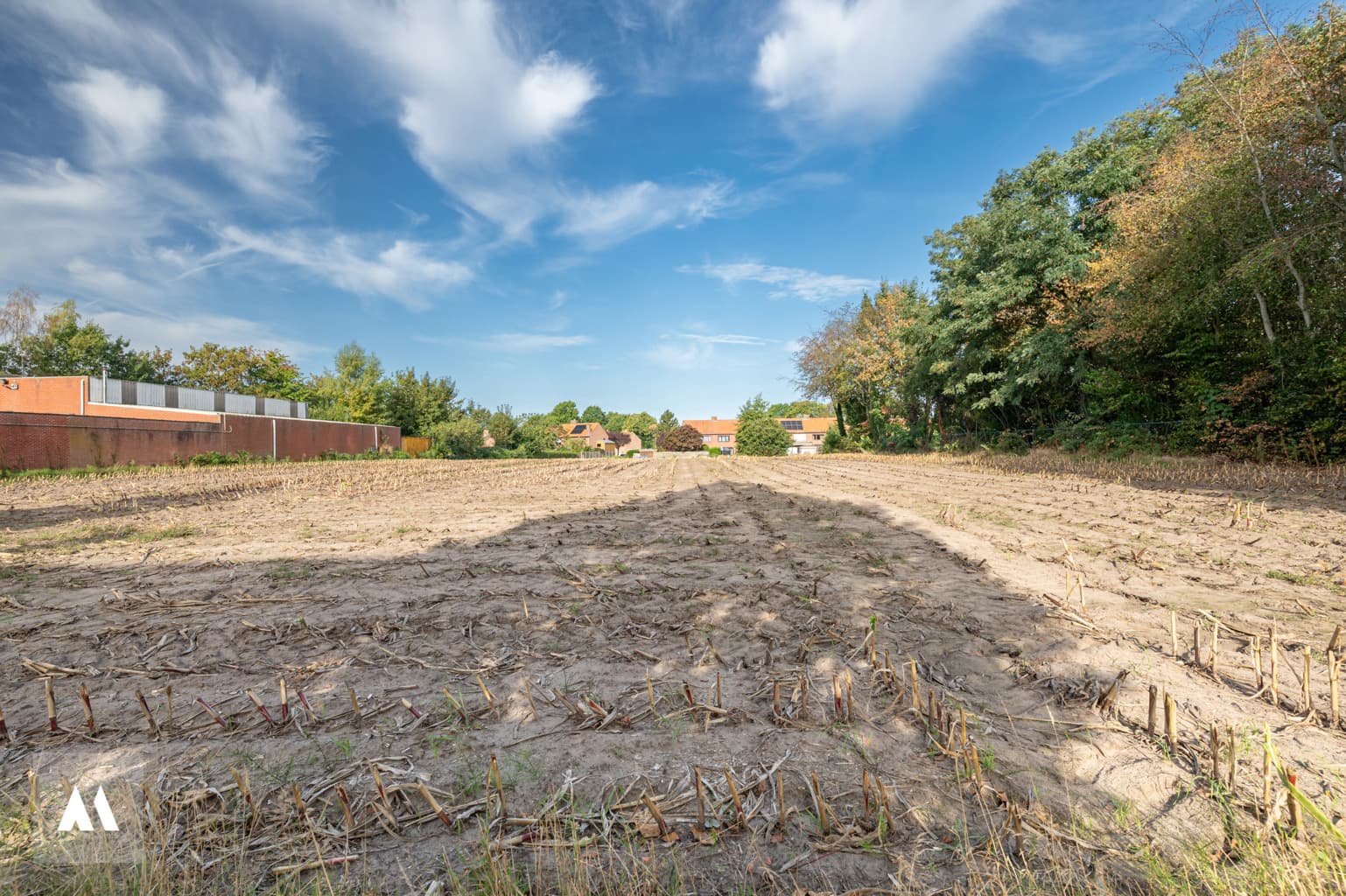
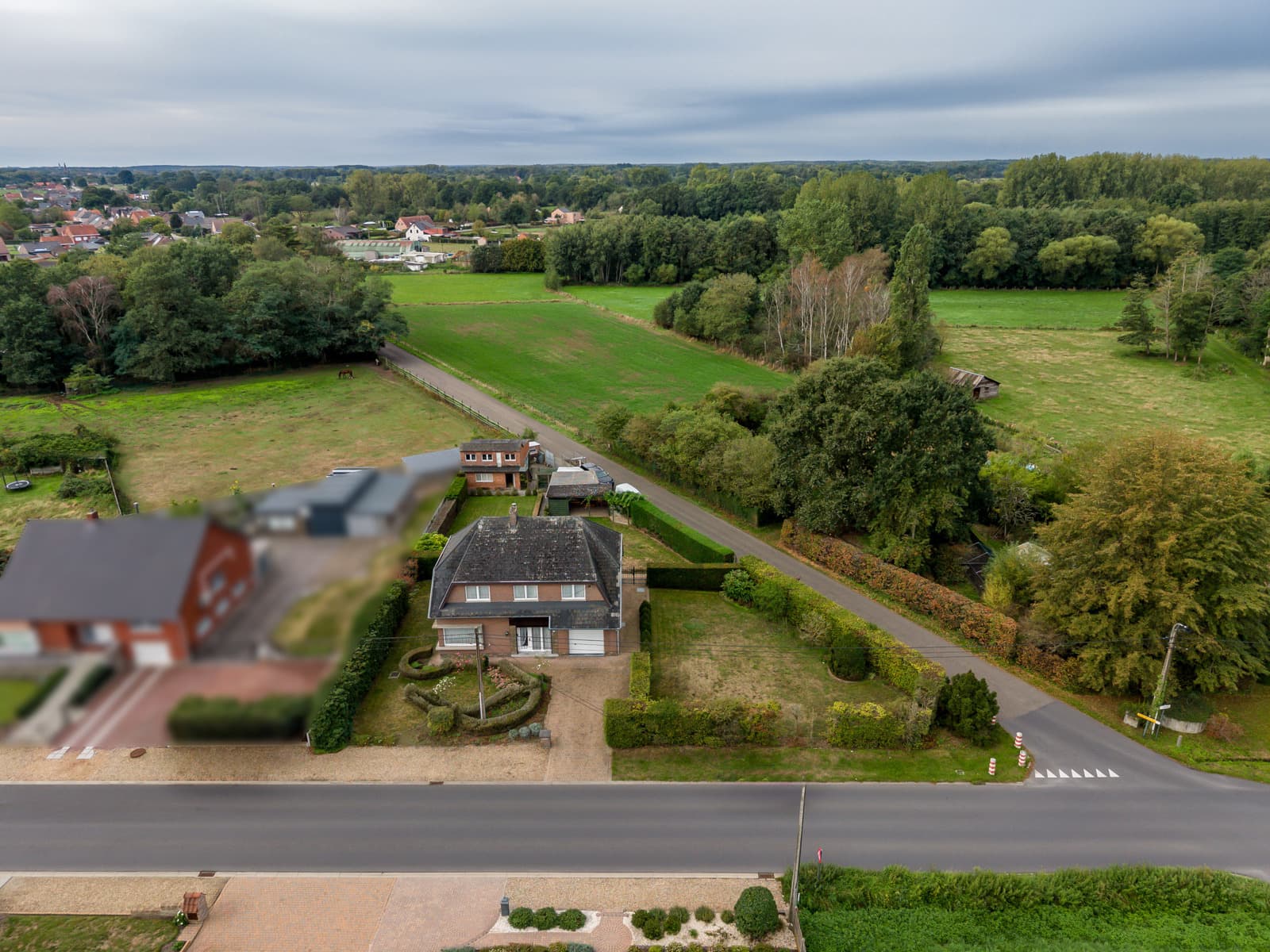
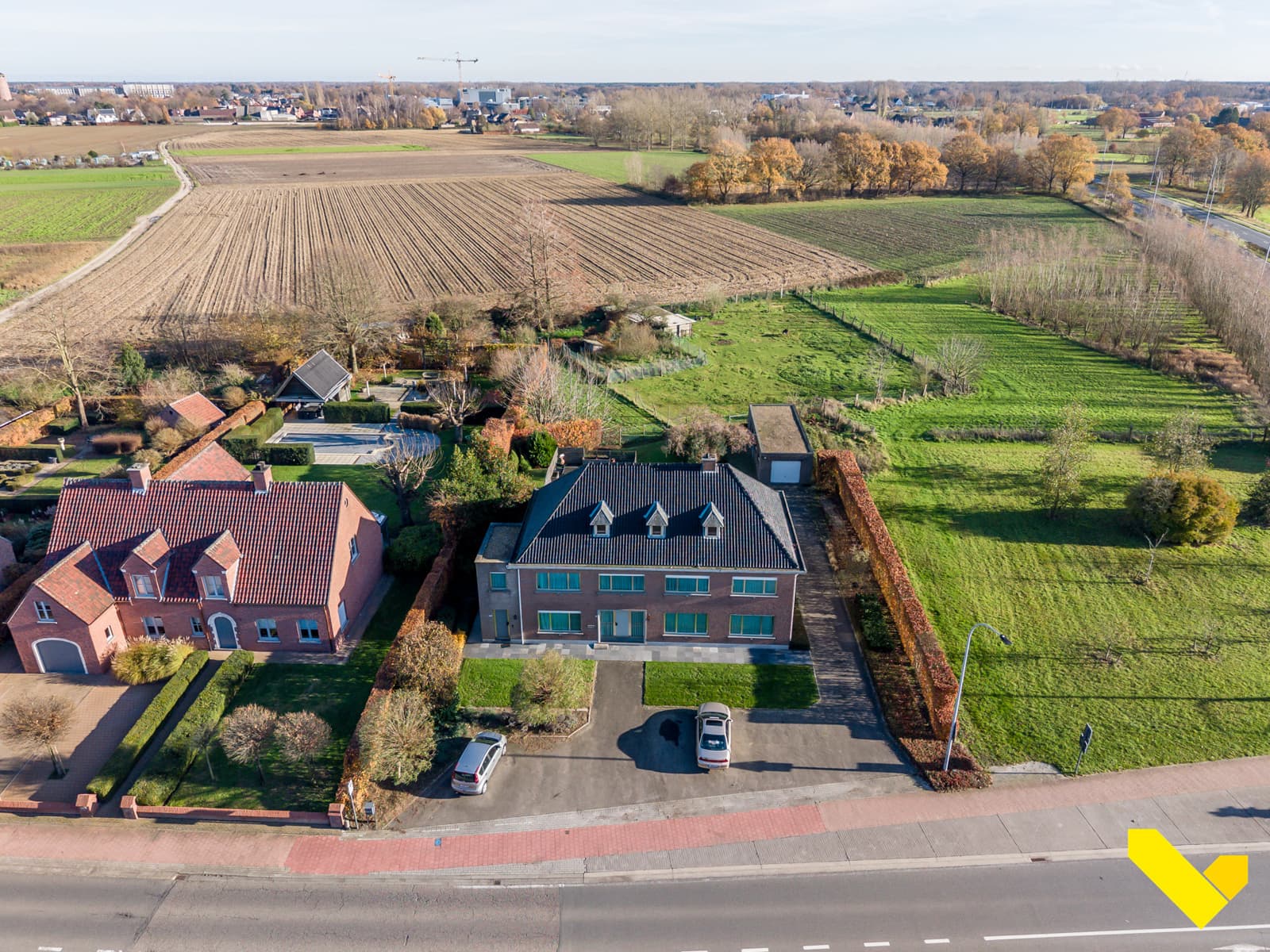
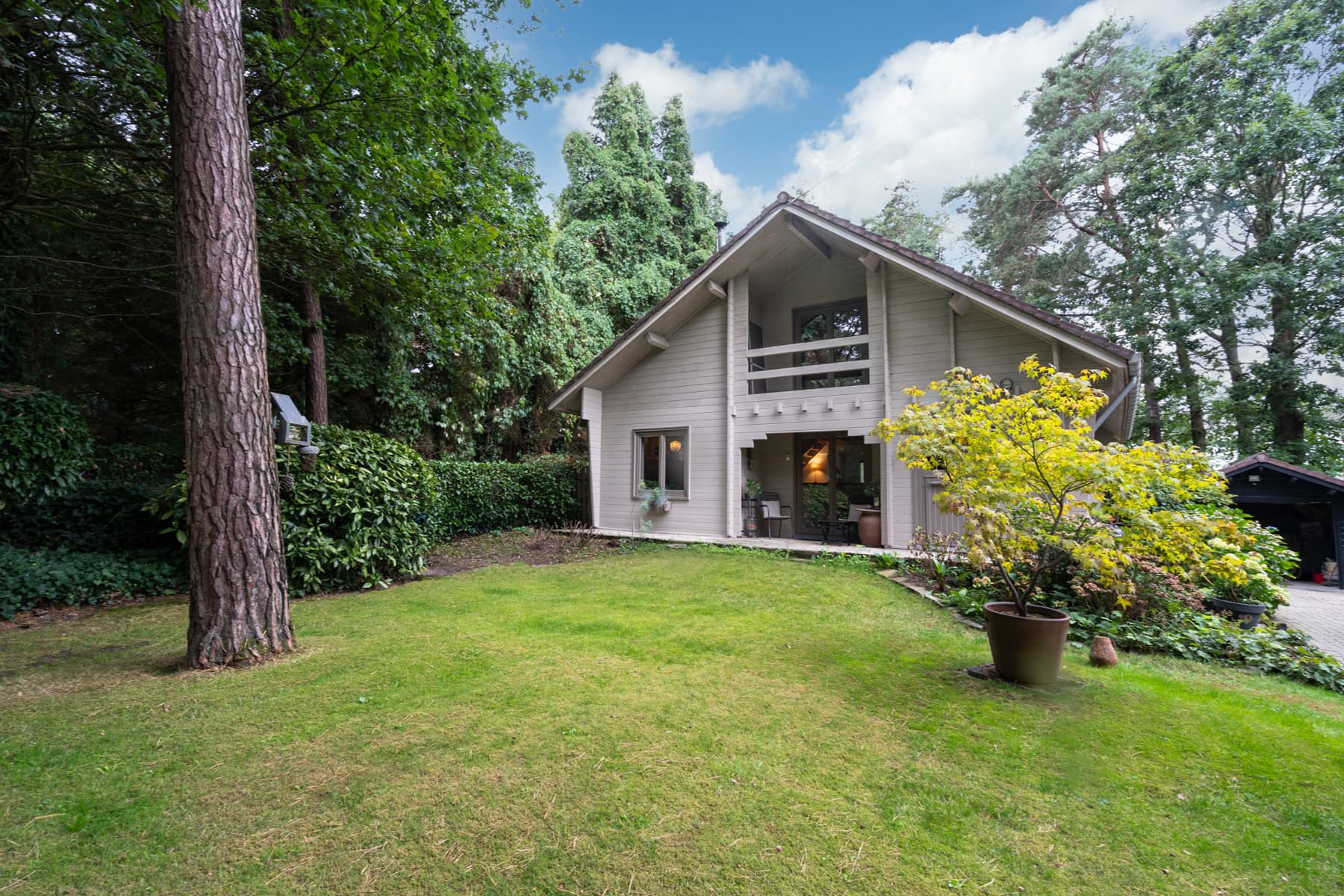
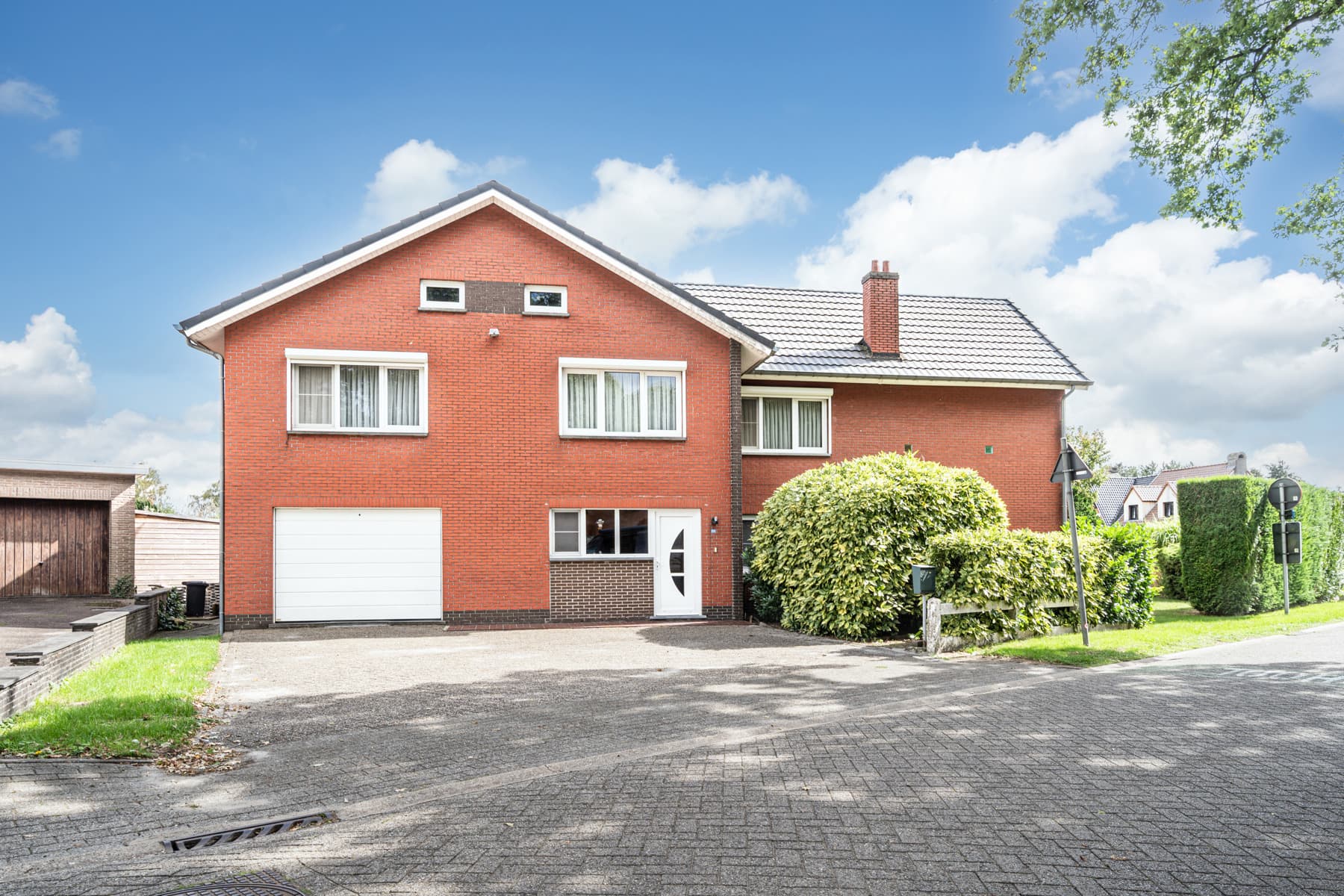
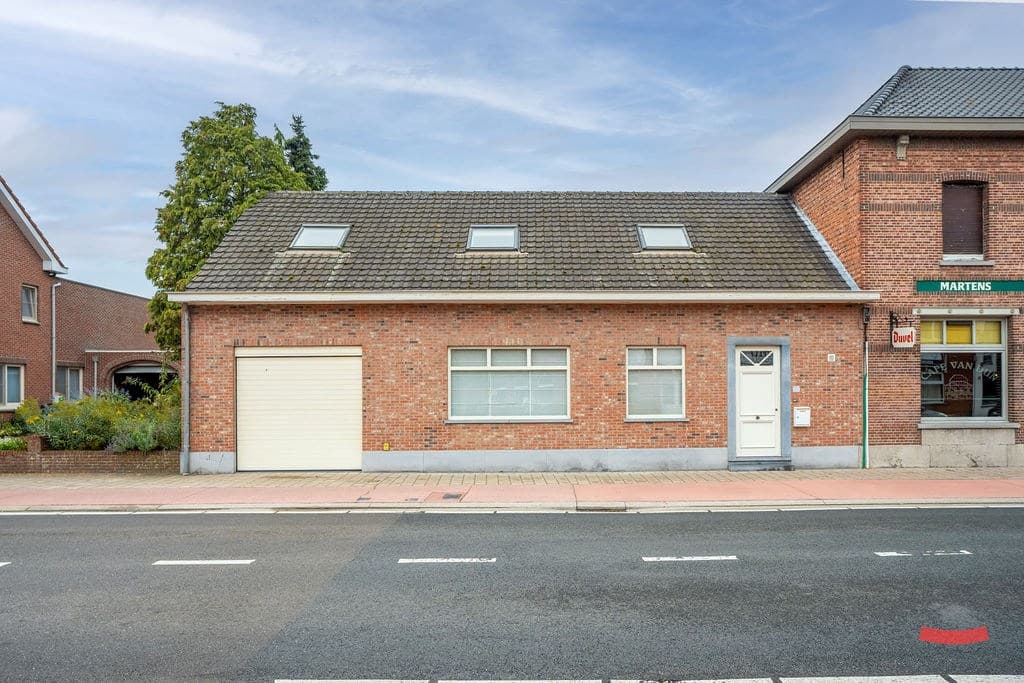
Looking for properties in Antwerp? Browse Antwerp listings for sale.
Frequently asked questions
- What are the total costs on top of the purchase price in Belgium?
- Expect registration duties (ranging roughly from 2–12.5% depending on region, property type, and whether it is your sole own home), notary fees (regulated, typically around 1% on higher values), and mortgage setup costs if applicable. Always ask a notary for a detailed cost estimate specific to your situation — rates change and regional schemes vary.
- Is a signed offer or compromis binding in Belgium?
- Yes. Once both parties have signed a compromis de vente (or any written offer accepted by the seller), the transaction is legally binding. You typically have around four months to reach the notarial deed. Walk away after signing and you can lose your deposit; the seller can also claim damages.
- What should I check about a property before making an offer?
- Key checks include the EPC label (E or F ratings trigger a renovation obligation in Flanders), flood zone status (P-score and G-score via geopunt.be), any outstanding building permits or violations, and the cadastral income. A structural survey is not legally required but is strongly advisable for older properties.
Track the Belgian property market
Set up a free saved search and get weekly ranked matches from all six Belgian sources — no card required. Pro upgrades you to daily alerts.
Create a free alert